Category: Governance
Governance isn’t bureaucracy. It’s the operating system that turns strategy into consistent execution. Here you’ll find practical frameworks to speed up decision-making, clarify decision rights, and install operating rhythms that reduce alignment overhead. The goal is simple: fewer bottlenecks, cleaner accountability, controlled risk, and measurable outcomes teams can deliver against.
-
The Story Your Team Is Protecting
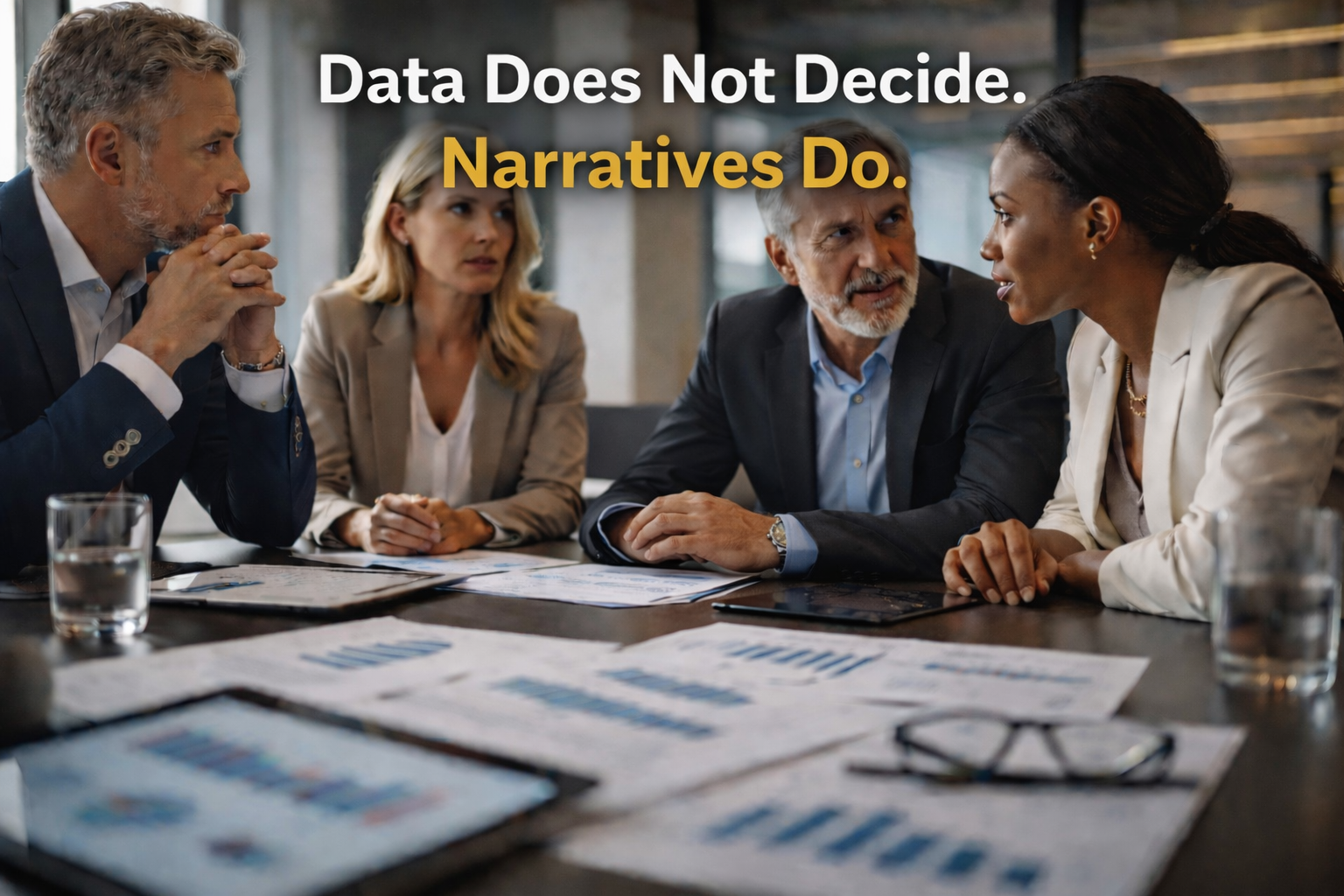
A man hesitating between a croissant and a muffin reminded me of something I see in boardrooms every week. Teams don’t stall because of data. They stall because they’re protecting a story. This article shows why identity beats logic, and how to move decisions forward without breaking what people value. Read More
Written by

-
Why Transformation Teams Need a Different Clock
In my kitchen, two clocks never agree. And that is exactly why they work. Companies try to run transformation on the same clock as operations. That is why decisions stall. Transformation needs a different clock. Not to move faster, but to stop reopening the same decision again and again. Read More
Written by

-
The Ocean Liner Problem in Transformation Governance
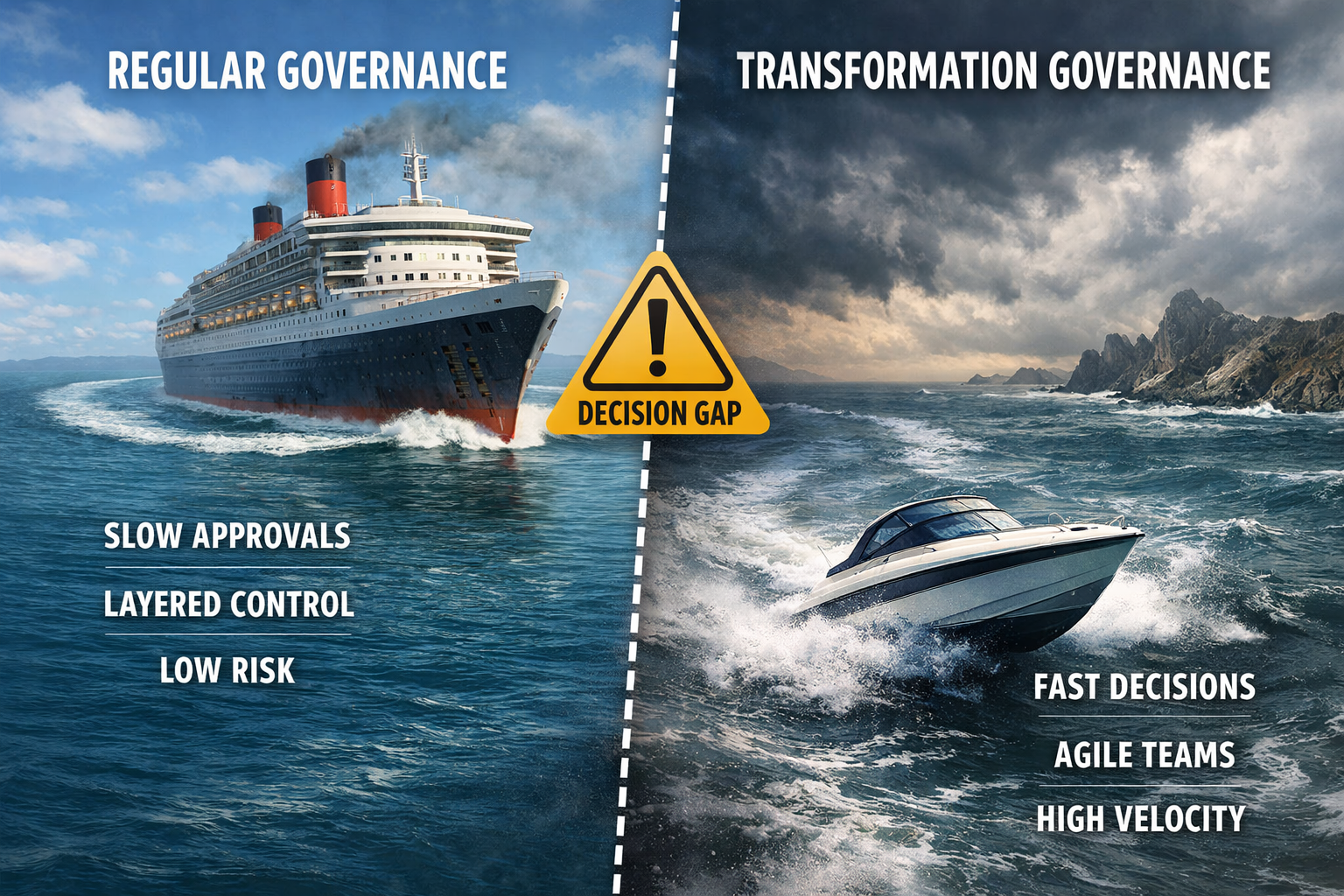
Regular business governance protects the company for good reasons. It reduces risk, protects margin, and keeps operations stable. But transformation decisions do not behave like normal operational decisions. They are more cross-functional, more time-sensitive, and more likely to create rework when delayed. This is the ocean liner problem: the governance model that is right for… Read More
Written by
-
Decision Velocity Is the Missing Operating System
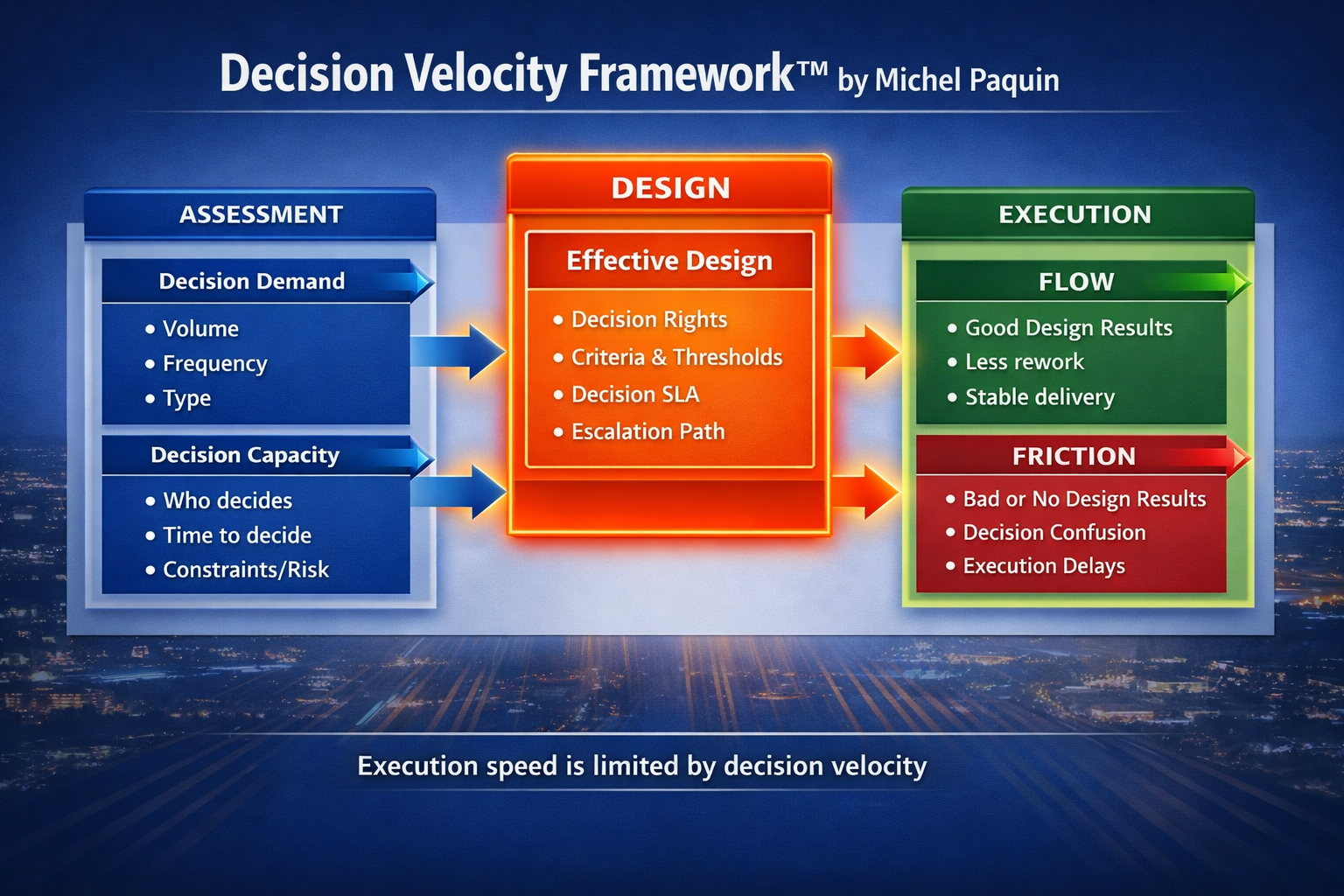
Execution speed is limited by decision velocity. In most transformations, agencies can execute faster than clients can decide. The result: delays, rework, and rising costs. The Decision Velocity Framework shows how to align decision demand, capacity, and design to restore flow and stabilize delivery. Read More
Written by
-
Ambiguity Tolerance Is a Leadership Skill
Leaders who need full certainty before acting do not create better governance. They create delay, escalation, and dependency. Ambiguity tolerance is the leadership skill that allows teams to move with incomplete information, using guardrails instead of paralysis. This article explains why some leaders freeze without certainty, how that behavior slows transformation, and what practical decision… Read More
Written by

-
The Story Your Team Is Protecting in This Decision
Most decision debates are not really about data. They are about the story people attach to the decision. A platform change can feel like an admission that a past choice was wrong. An escalation can feel like a loss of control. These hidden narratives shape how people interpret analysis, defend positions, and delay decisions. In… Read More
Written by